

4 min read
Applications of WPC in Building Facades
Applications of WPC in Building Facades
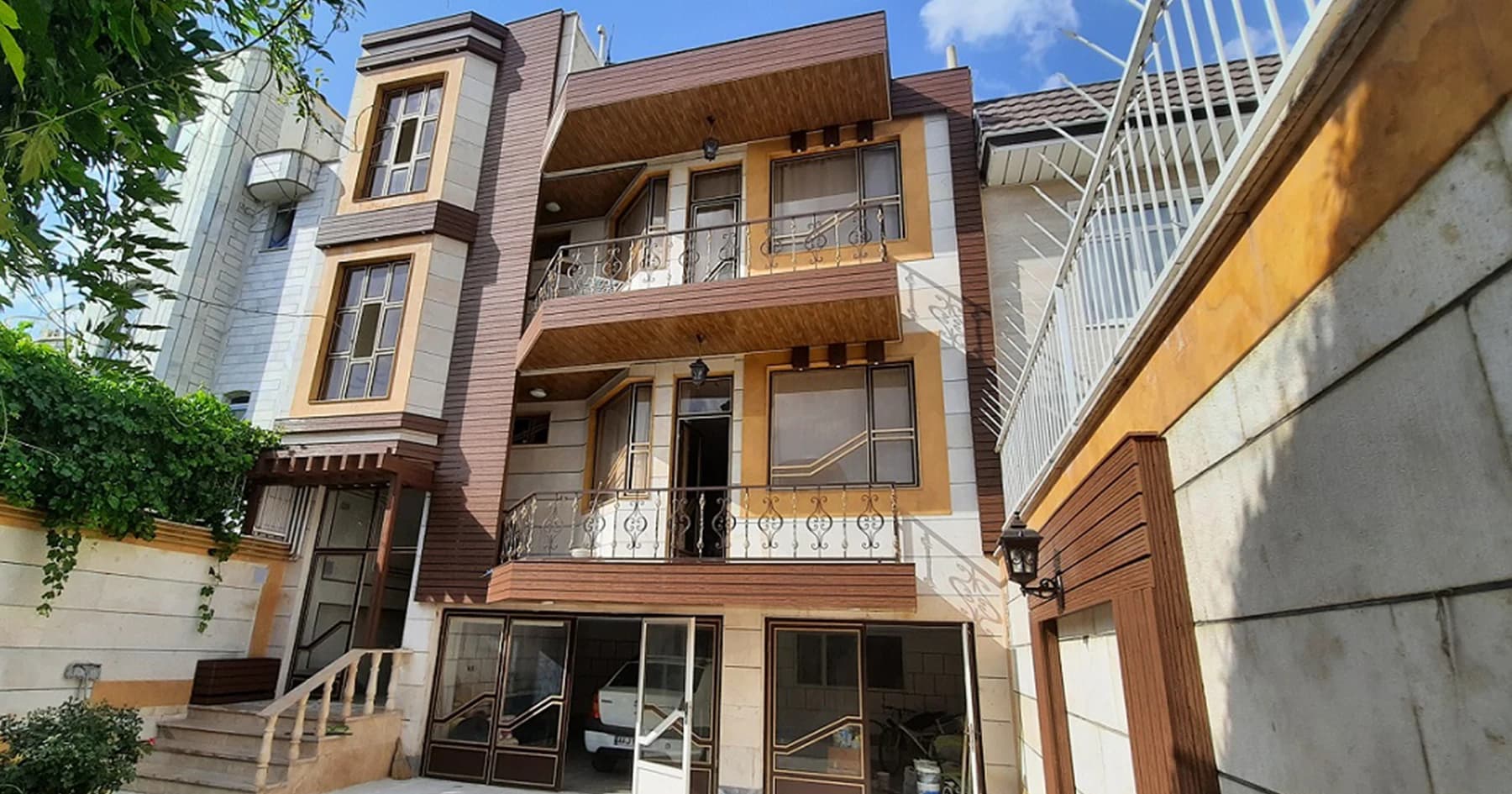
Wood Plastic Composite (WPC) is one of today’s advanced building materials and is widely used in building facades—especially in modern and nature-inspired exterior designs. WPC is made from a blend of wood fibers and recycled plastic, offering a natural wood-like appearance with far greater resistance to moisture, heat, sunlight, and insects. Using WPC on facades not only adds warmth and elegance to a building’s exterior, but also reduces long-term maintenance costs, since—unlike natural wood—it does not require regular painting or protective coatings. In this article from Materino, we explore how WPC is used in building facades and why it has become such a popular choice.
Why Use WPC on a Building Facade?
Below are the most important reasons WPC is used for exterior cladding and facade design:
- High resistance to rain and humidity: Thanks to its polymer–wood fiber composition, WPC resists water absorption and performs well in wet or rainy climates, helping protect facades from weather-related damage.
- Durability against UV exposure and temperature changes: WPC is designed to withstand sunlight, heat, and cold without significant fading, cracking, or warping—making it a stable choice for outdoor use.
- Minimal maintenance and no frequent repainting: Unlike natural wood, WPC typically does not require periodic repainting, sealing, or oiling, which reduces long-term maintenance costs.
- Resistance to termites, wood-eating pests, and fungi: WPC is far less attractive to termites, beetles, and fungal growth, helping prevent decay, rot, and surface deterioration.
- Natural look with customizable colors and finishes: It delivers a wood-like facade aesthetic while offering a wide range of color and texture options, allowing designers to match different architectural styles and preferences.
- Easy installation and flexibility in design: WPC can be cut and installed efficiently and supports complex or modern facade patterns—an important advantage for facade designers.
- Eco-friendly profile: Because it often includes recycled materials, WPC is considered a greener option and is commonly used in sustainable or “green building” projects.
Using WPC in Classical Facade Design
WPC can be a strong option for classical facades because it resembles natural wood while offering better durability. Classical styles often include decorative elements such as frames, columns, trims, and wood-like detailing that create a warm, authentic appearance.
Using WPC in these designs helps because:
- it resists humidity, rot, and insects far better than natural wood
- it requires less maintenance and fewer repairs over time
- it can be used for facade details such as cornices, window frames, railings, and decorative wall sections
With a variety of colors and wood-inspired finishes, WPC allows architects to preserve a classical look while improving performance and facade longevity. It also maintains its form and color more consistently in changing weather, which is critical for keeping classical facades visually intact over time.
Using WPC in Modern Facade Design
In modern architecture, materials must offer both aesthetics and technical performance. WPC fits well in modern facades thanks to its clean look, uniform surfaces, and range of colors and finishes. Modern facade design typically emphasizes minimal lines, smooth planes, and combinations with industrial materials such as glass and metal—areas where WPC works especially well.
Key advantages in modern facades include:
- strong resistance to weather, moisture, and UV
- longer service life with less upkeep
- relatively light weight and quicker installation (useful for tight project schedules)
- flexibility to create distinct facade rhythms using large panels, window frames, or horizontal/vertical strips that add structure, contrast, and visual identity
WPC can deliver a modern, refined facade without the ongoing maintenance challenges associated with natural wood.
WPC Facade vs. Natural Wood Facade
WPC and natural wood differ significantly in structure and performance:
Natural wood facades are made from timber and offer an authentic texture, grain, and warmth. They create a strong connection to nature and can feel premium and timeless. However, natural wood is sensitive to:
- moisture and rain
- insects and termites
- rot and fungal growth
- weathering, fading, and cracking over time
As a result, natural wood facades typically require ongoing maintenance and periodic restoration to preserve appearance and durability.
WPC facades, on the other hand, provide:
- higher resistance to moisture, decay, and pests
- reduced need for repainting or frequent repairs
- lower weight than many wood systems and faster installation
- a wood-like aesthetic (though it may not fully replicate the exact tactile feel of real wood)
Overall, WPC is often considered a cost-effective, durable solution—especially for modern facade systems where low maintenance is a priority.
WPC Colors and Textures in Facade Design
Color and texture play a major role in achieving a natural and attractive facade. WPC is typically produced in a wide range of tones, including:
- warm wood shades (light brown, dark brown, walnut)
- modern neutrals (gray and black)
This variety helps designers match the facade to the building’s architectural style and its surrounding environment.
WPC textures are engineered to resemble natural wood grain, often featuring carefully simulated lines and patterns that create a lively, organic look. Beyond aesthetics, texture can also improve surface performance:
- textured finishes may reduce slipperiness in outdoor areas
- surface patterns can help hide scratches and minor stains
- many textures help maintain a cleaner, more consistent appearance over time
Choosing the right color and texture can significantly impact both the visual identity and durability of a building facade.
Buying WPC from Materino
Choosing a material like WPC can reduce long-term costs while adding durability and beauty to your property. You can purchase high-quality WPC products from Materino, available in various colors, models, and applications. For more information, contact our expert team.