

4 min read
Installation Steps for a WPC (Wood Plastic Composite) Facade
Installation Steps for a WPC (Wood Plastic Composite) Facade
A building facade is often called the “clothing” of a structure—it’s the first element that draws attention. But a facade is not only about appearance; it must also withstand wind, rain, direct sunlight, pollution, and temperature fluctuations. That’s why choosing the right material and ensuring proper installation is critical.
Among today’s facade materials, Wood Plastic Composite (WPC) has become a popular option for modern exteriors because it combines the warm look of natural wood with the durability and resistance of polymer-based materials. However, the long-term performance of a WPC facade depends heavily on installation quality and correct execution.
Prerequisites for WPC Facade Installation
Before installation begins, several preparatory steps should be completed:
- Assess building conditions: Check the installation area for wall strength, moisture issues, and alignment. Uneven walls or moisture absorption can reduce facade lifespan.
- Select a suitable substructure: The type of framework (metal or wood) and spacing must be defined based on the project. For high-rise buildings, heavy-duty metal framing is typically recommended.
- Define the layout and installation plan: The architect or contractor should finalize the installation pattern (horizontal, vertical, or mixed). This directly impacts material consumption and final cost.
Step-by-Step WPC Facade Installation
1) Surface Preparation and Substructure Setup
This is the foundation of the entire system:
- Inspect the wall for structural soundness and moisture. Any cracks, weak spots, or peeling sections must be repaired.
- Install metal or wooden box profiles (framing) as the supporting skeleton. This framework holds the WPC panels.
- The standard spacing between framing members is typically 40–60 cm. Wider spacing can cause panels to loosen and warp over time.
- Accurate leveling is essential—small misalignments can distort the entire facade.
2) Installing Profiles and Support Components
Once the surface and frame are ready, the supporting profiles are installed:
- Fix the profiles securely to the framing using stainless-steel screws.
- At corners and edges, use dedicated finishing profiles such as corner trims (S3 / S4) or angle trims (L1) to achieve a clean, professional look.
- Profile spacing must be precise because it affects both structural stability and visual consistency.
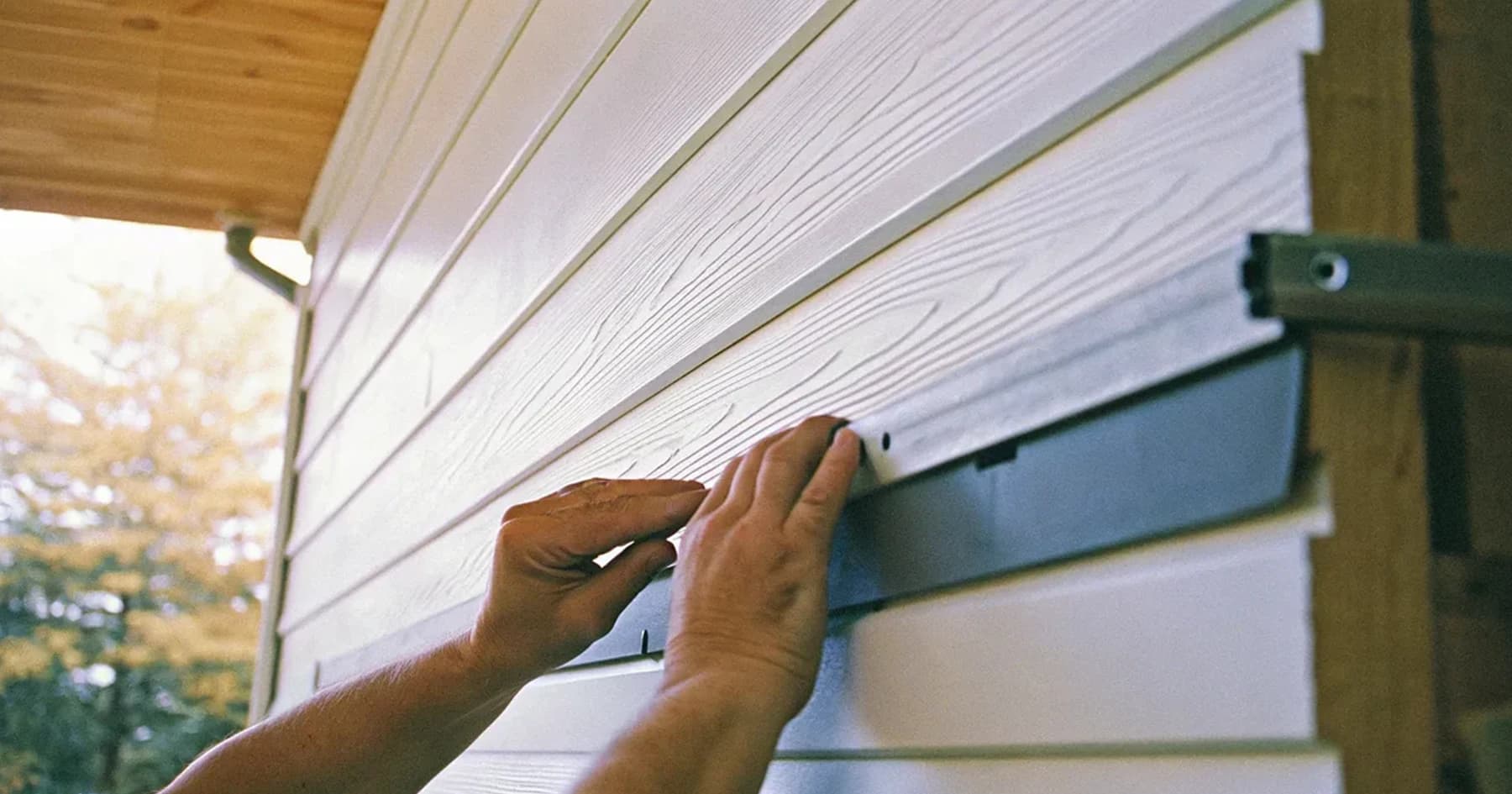
3) Installing WPC Panels
This is the core stage of the project:
- Panels can be installed horizontally, vertically, or in a combined pattern (a popular choice in modern facade design).
- Use stainless fastening clips to connect panels to the profiles. Clips improve structural strength and allow easier replacement of panels if needed.
- Maintain an expansion gap because WPC expands and contracts slightly with temperature changes. A gap of 3–5 mm between panels is recommended.
- Cut panels using appropriate tools (such as a circular saw) to ensure clean, accurate edges.
4) Securing with Proper Fasteners
For long-term safety and stability, use reliable connections:
- Stainless-steel screws resistant to moisture and corrosion
- Specialized WPC clips designed for the profile system
- In some details, industrial-grade adhesive may be used for added reinforcement
Using weak fasteners can cause panels to loosen quickly—or even detach.
5) Finishing and Detailing
Details make a major difference in facade quality:
- Use corner and edge profiles (corner trims and angle trims) for both internal and external corners.
- Frame around windows and doors to create a cohesive, integrated facade appearance.
- Seal cut edges and joints carefully to prevent rainwater and dust from entering behind the system.
6) Final Inspection and Quality Control
After installation, the entire facade should be checked:
- Are all panels aligned and level?
- Are expansion gaps correctly applied?
- Are all fasteners secure and panels stable (no movement or vibration)?
This step is essential—fixing issues immediately prevents larger repair costs later.
Key Tips for Successful WPC Facade Execution
- Respect expansion gaps: Ignoring expansion clearance can lead to cracking or warping.
- Choose appropriate colors and surface finishing: In sunny regions, lighter colors help reduce surface heat.
- Prevent water penetration: Poor waterproofing can trap moisture and cause corrosion in the metal substructure.
- Allow ventilation behind the facade: A ventilated cavity helps moisture escape and improves long-term durability.
Tools and Materials Required
- Metal or wood framing (box profiles)
- WPC panels and support profiles
- Stainless clips and screws
- Finishing trims (corner and angle profiles)
- Cutting and measuring tools (circular saw, drill, laser level, tape measure)
Common Mistakes in WPC Facade Installation
- Using non-standard fasteners or regular screws that rust over time
- Ignoring expansion gaps, causing cracking and warping
- Poor leveling, resulting in an uneven facade
- Weak detailing around windows and corners, reducing visual quality and performance
Conclusion
When installed correctly, a WPC facade can maintain its durability and appearance for years. Accurate substructure framing, high-quality fasteners, and proper detailing are the most important factors for a successful outcome.
If you’re looking for a facade solution that feels premium while performing well in different weather conditions, Materino WPC is a strong option.
For free consultation and to view completed WPC facade projects, contact Materino’s experts: 02122791943