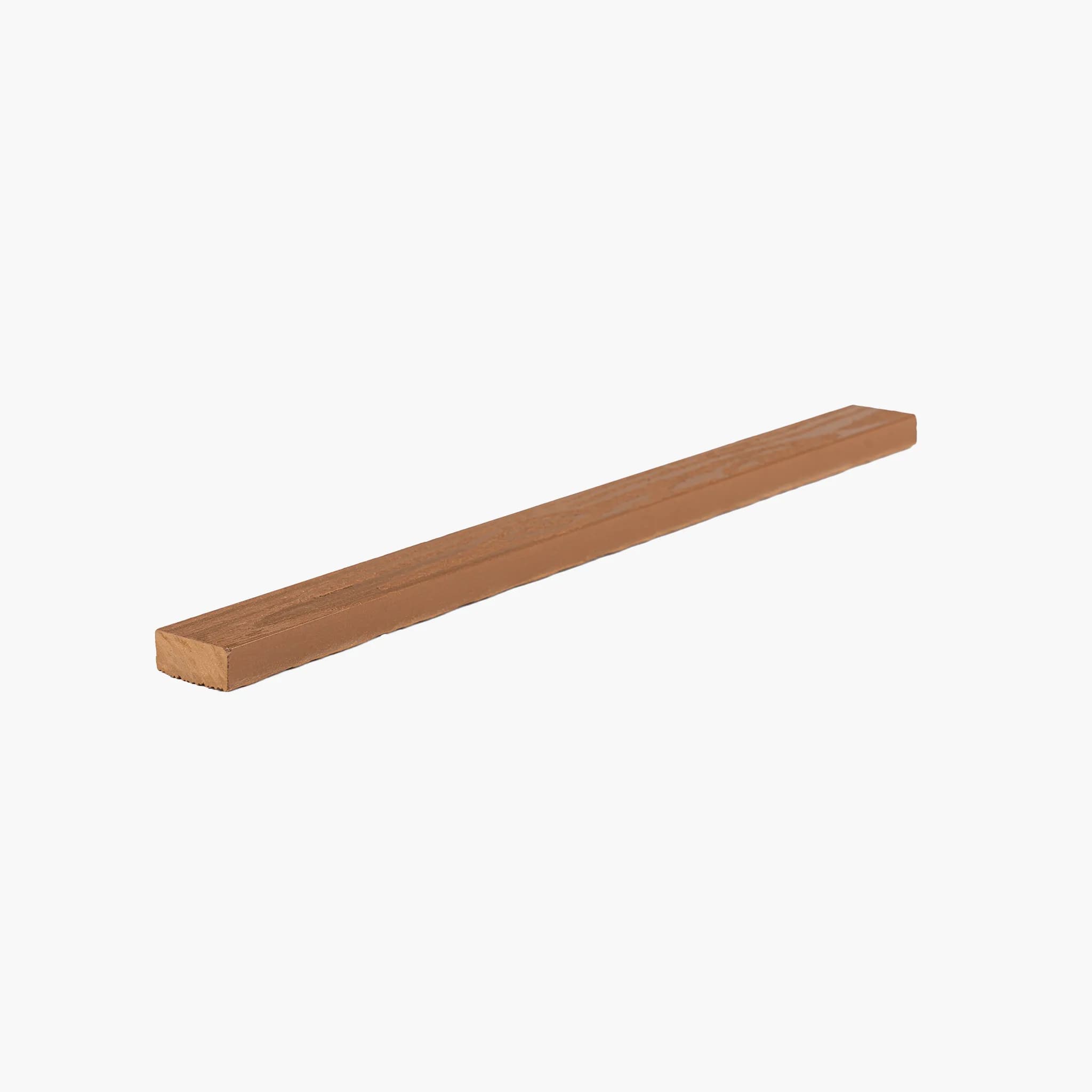
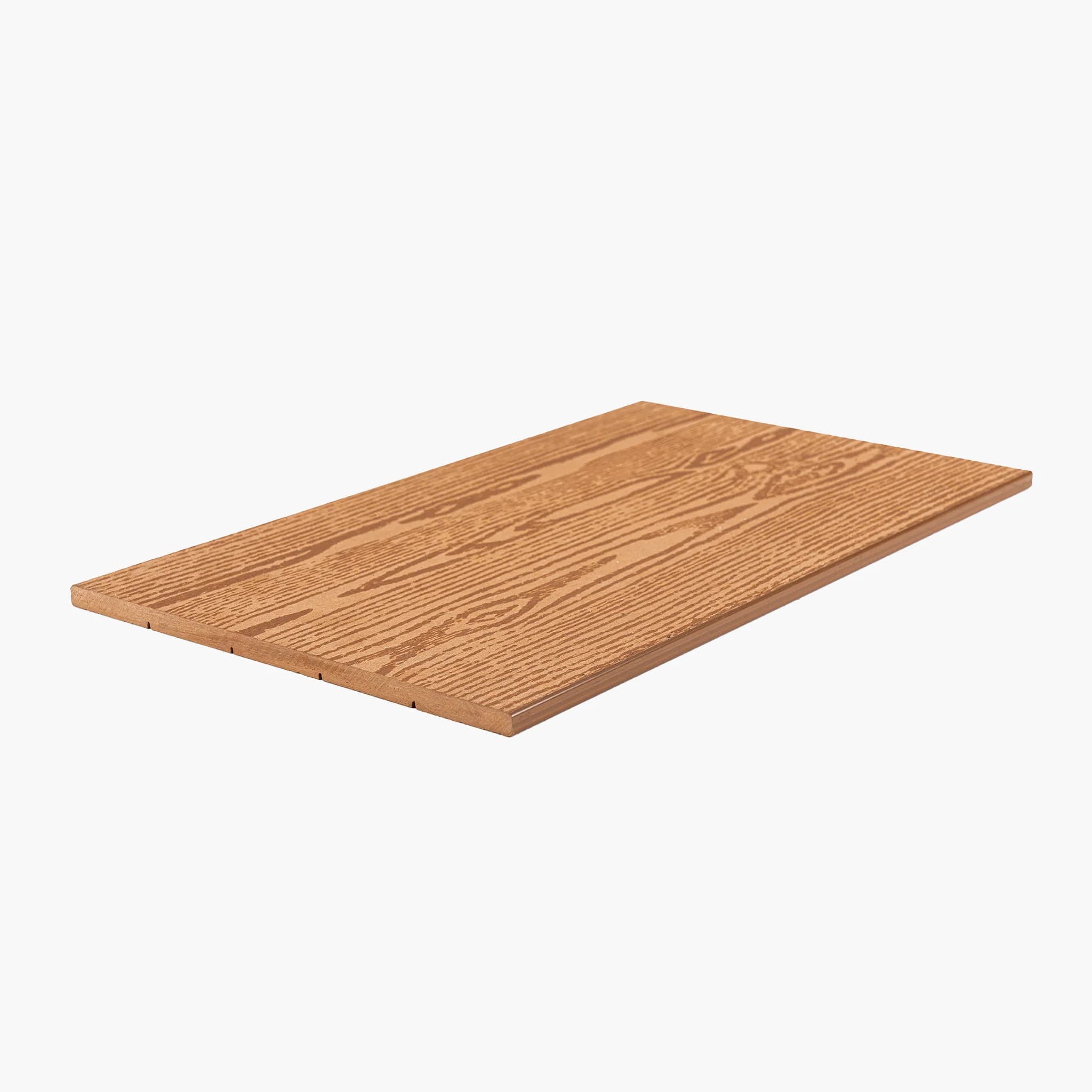
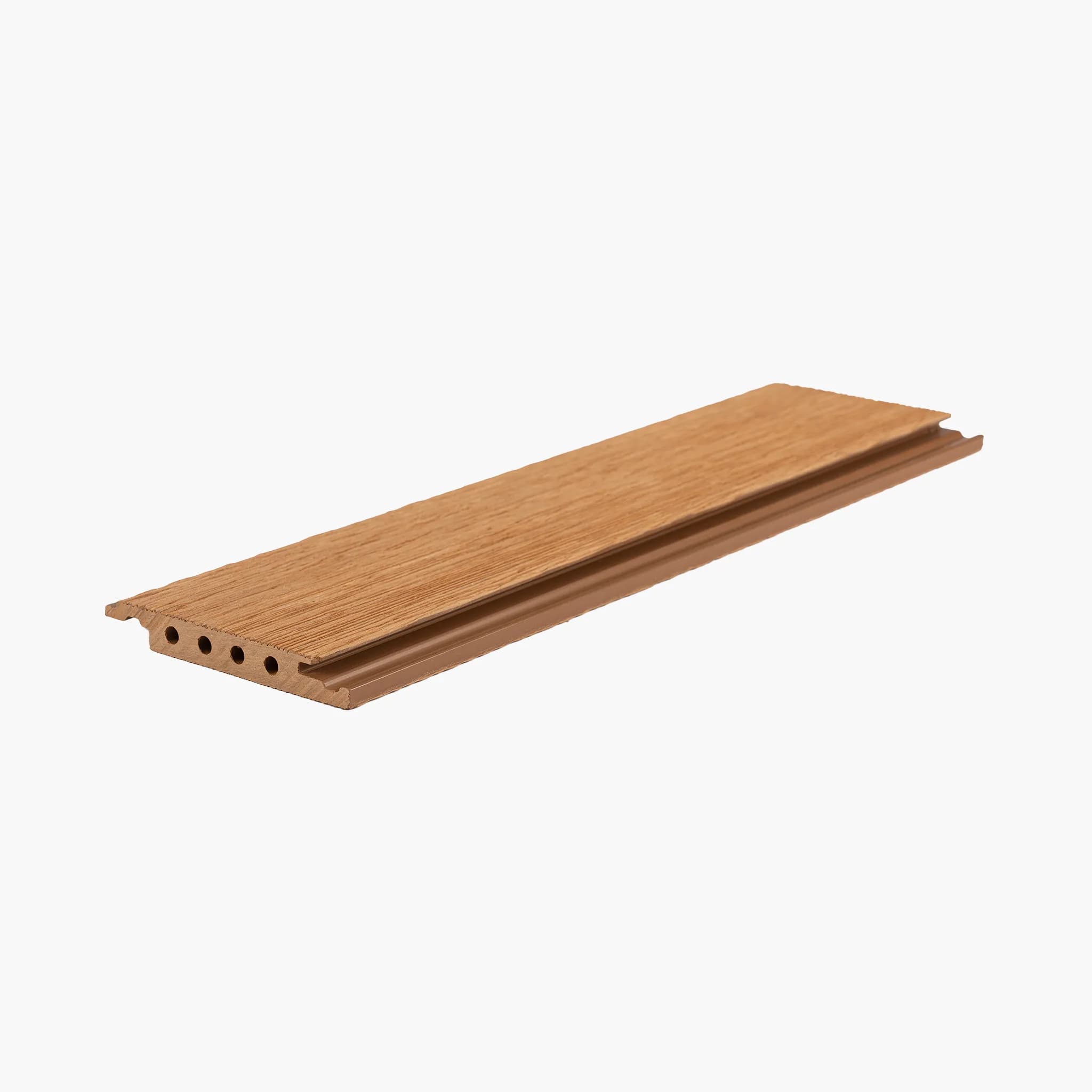
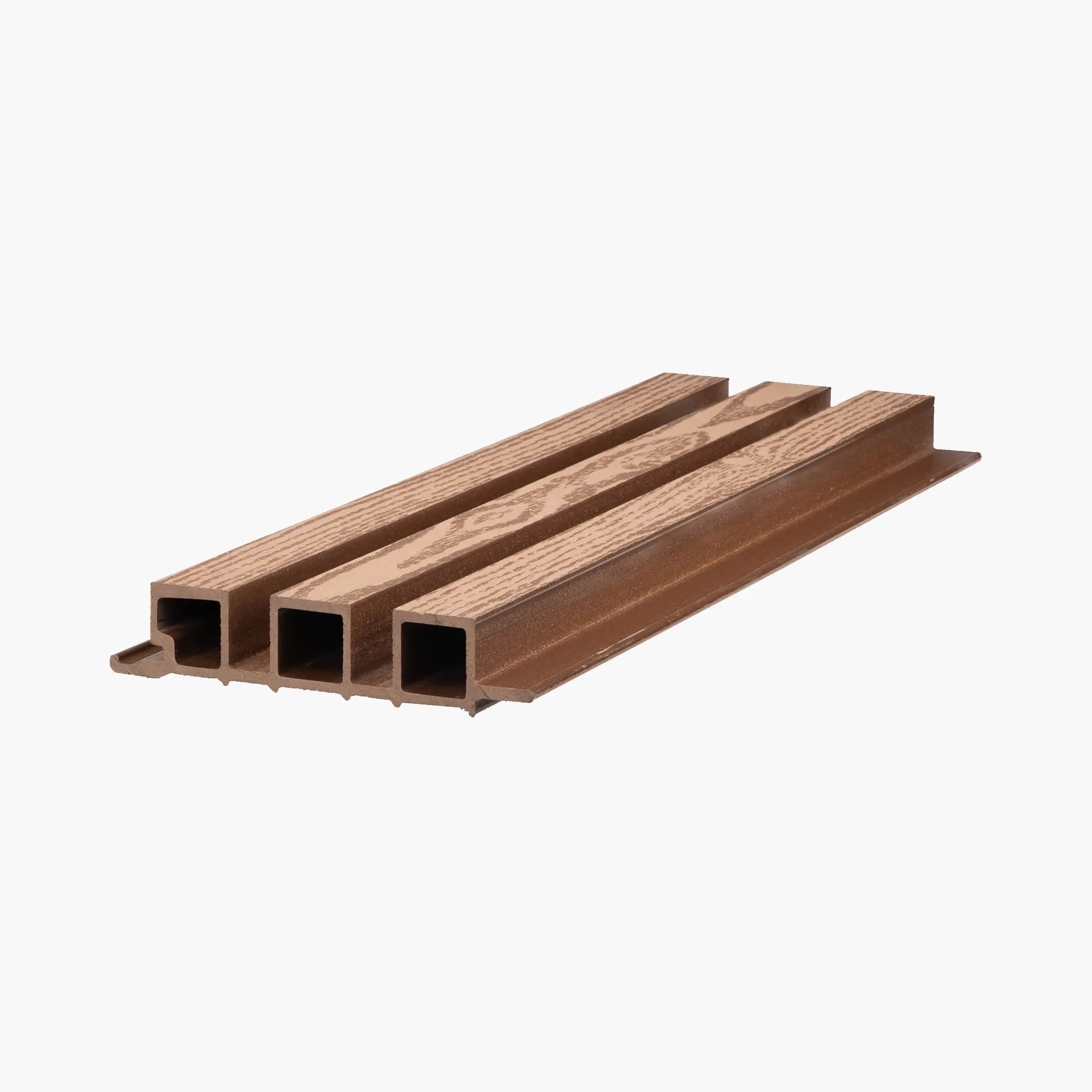
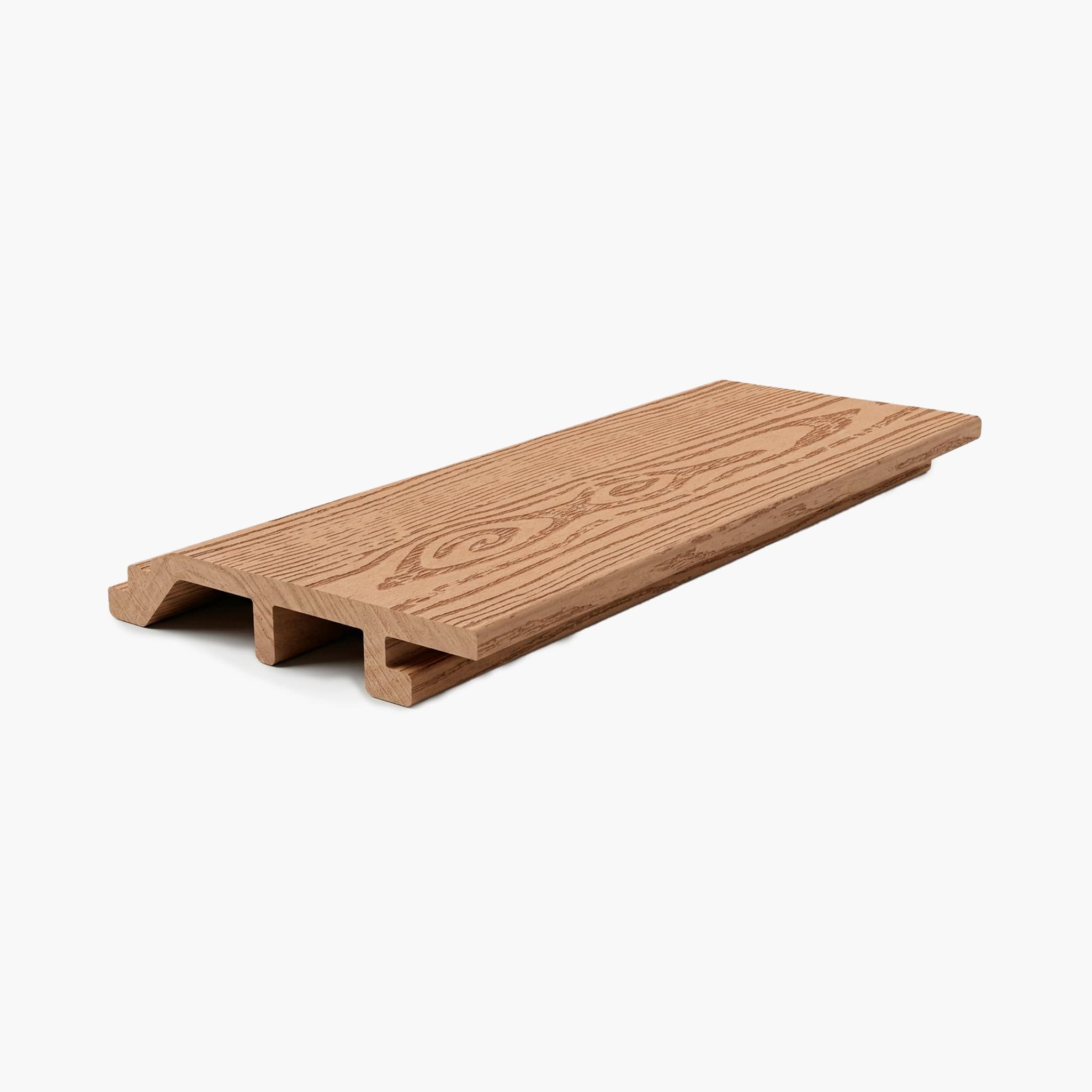
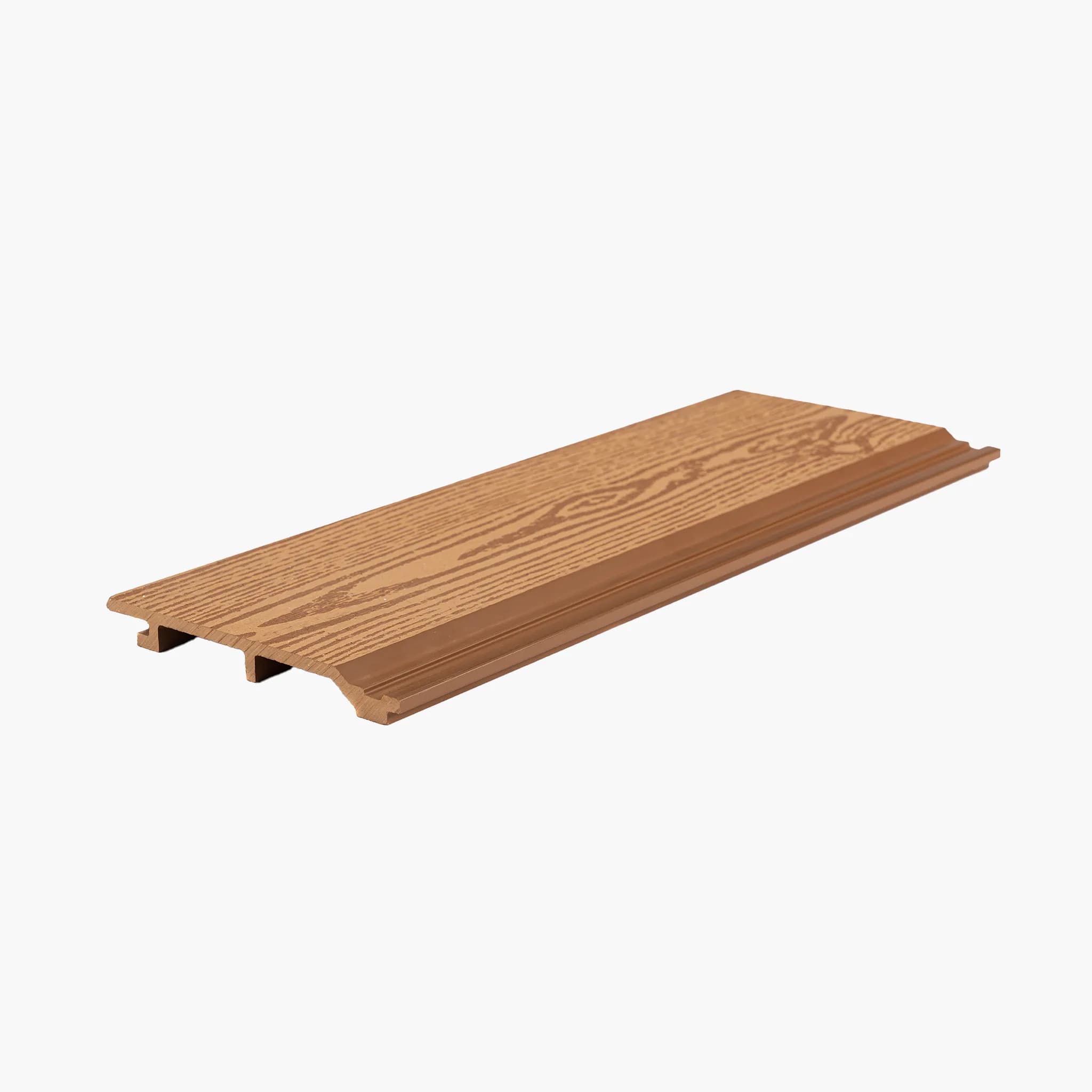
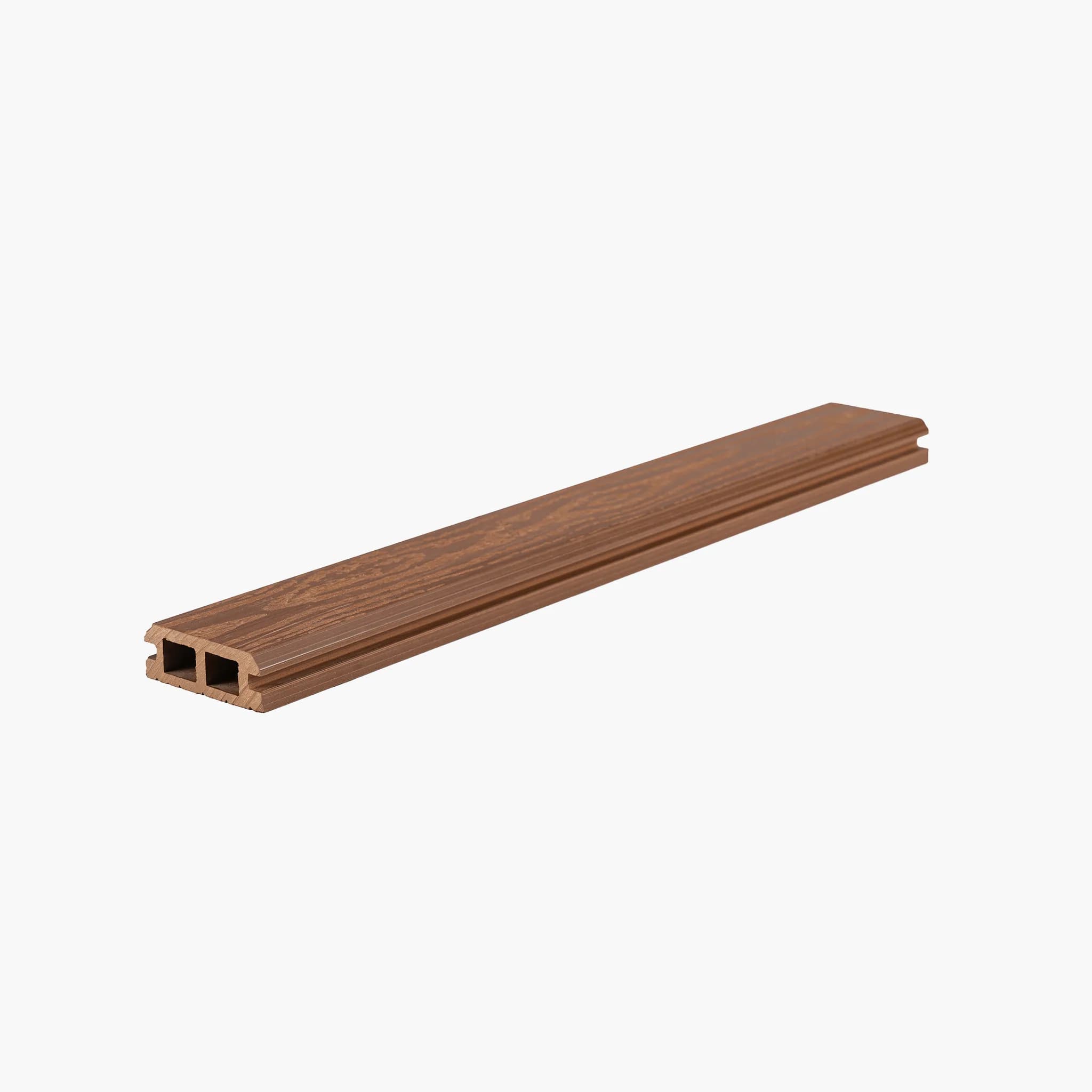
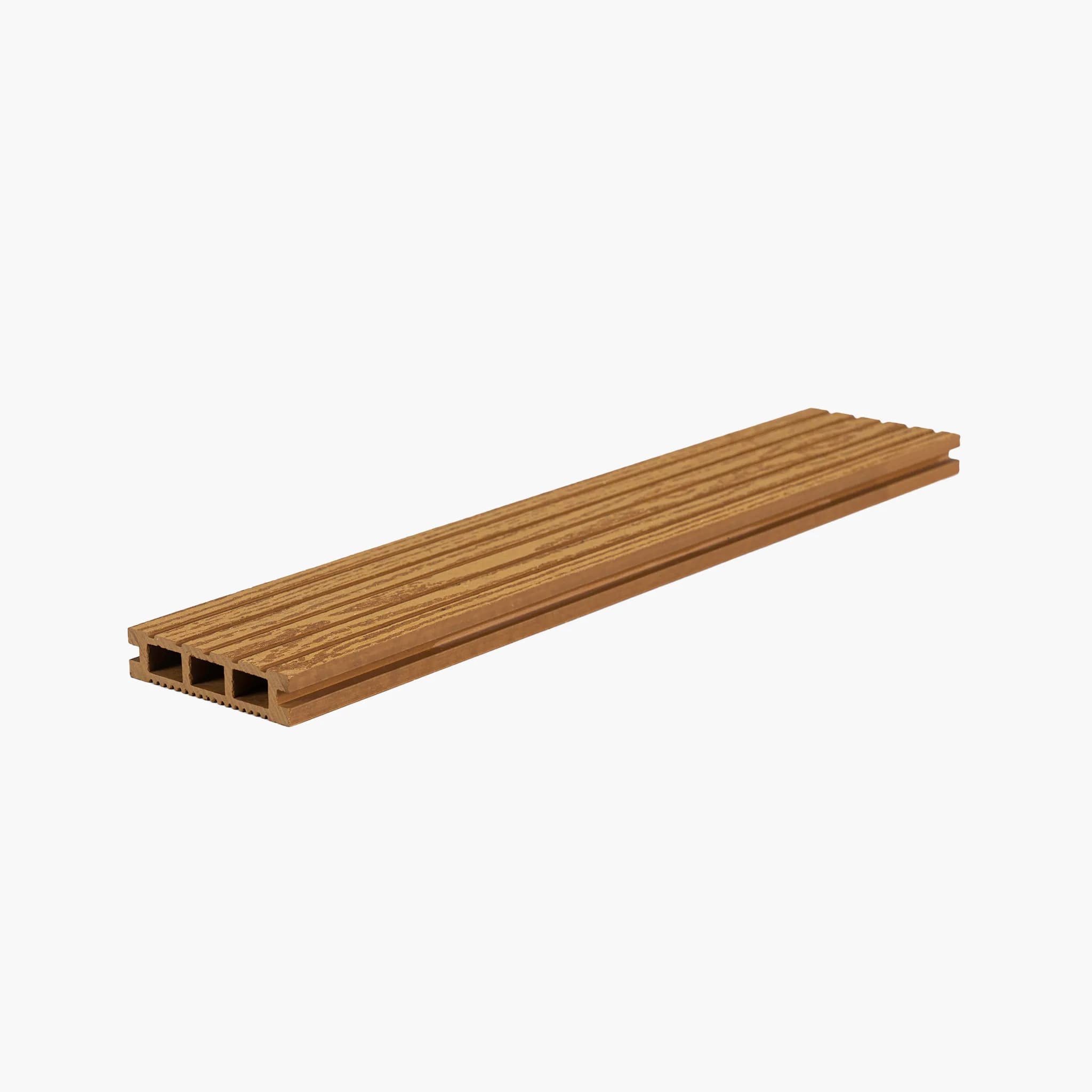
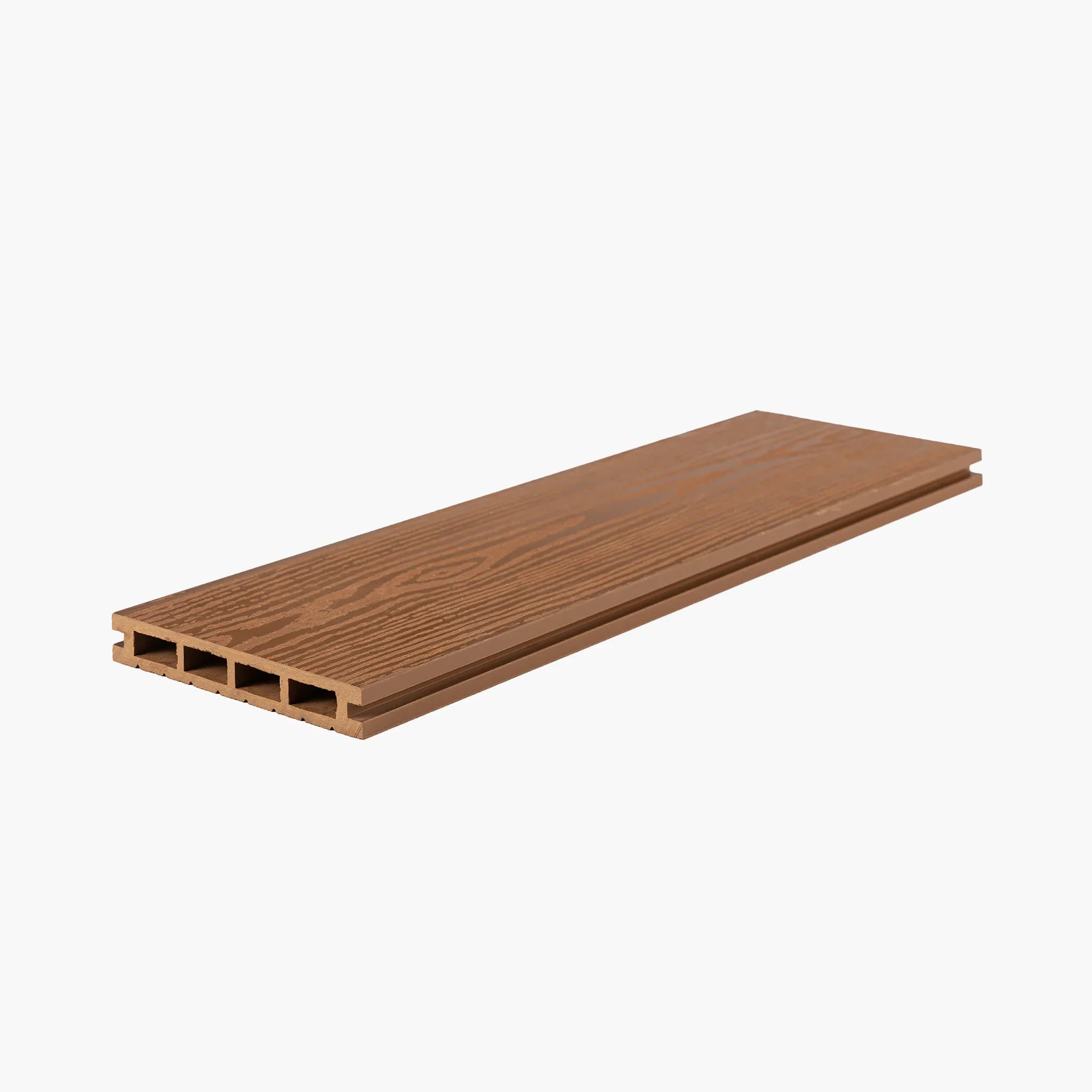
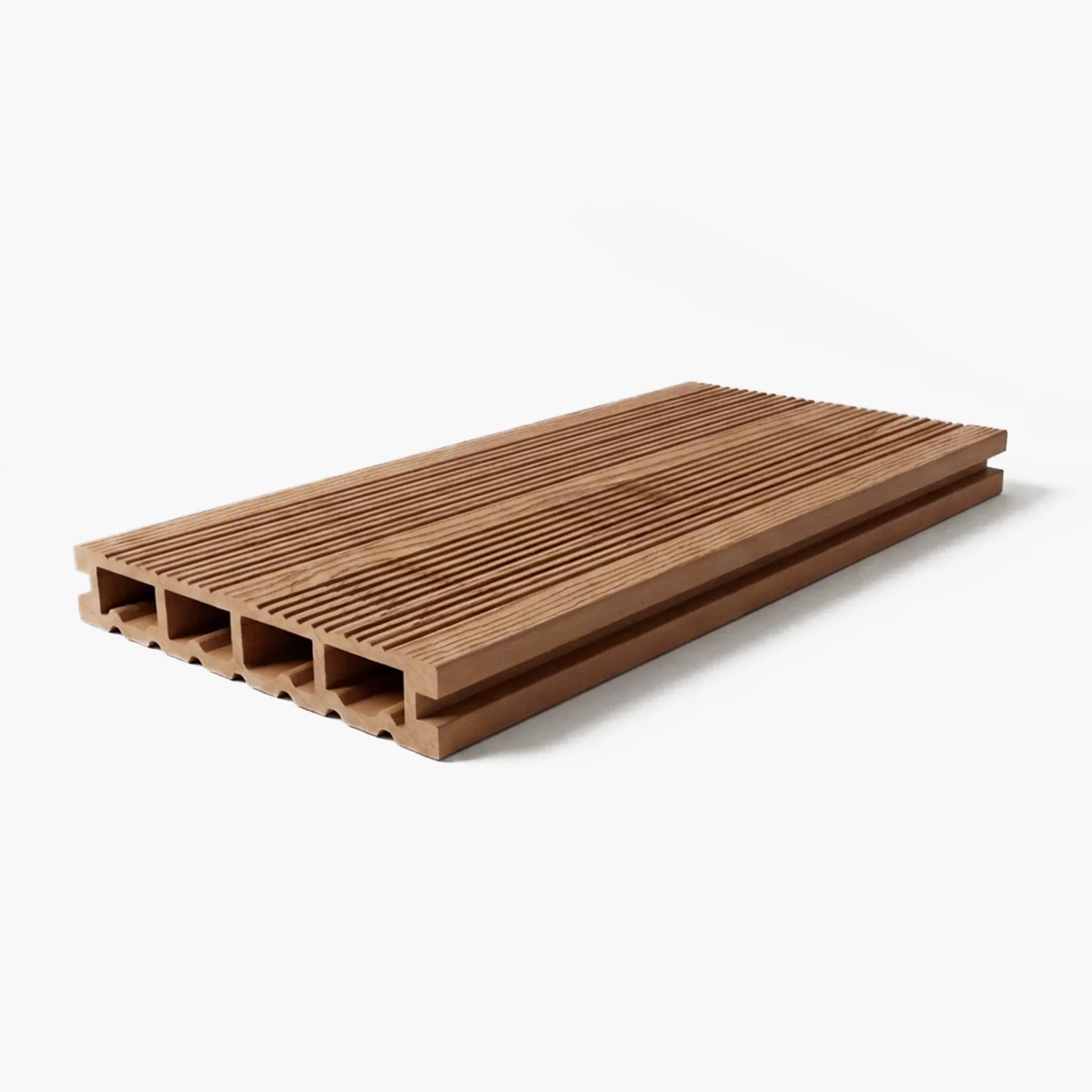
WPC wall cladding and facade systems are a professional solution for those who want the warm, modern look of wood without the common problems of natural timber such as rot, cracking, warping, and frequent maintenance.
As a composite material, Wood Plastic Composite (WPC) is widely used for exterior facades, courtyard walls, entrances, semi-open areas, and selected interior spaces. Thanks to its linear and uniform installation, the final result is clean, architectural, and visually refined.
Where Can WPC Wall Cladding Be Used?
WPC wall panels are suitable for a wide range of applications, including:
- Main and secondary building facades (modern facades or combined with stone, concrete, brick, or cement)
- Courtyard walls and building entrances for a luxurious, unified appearance
- Lobby areas, corridors, and feature walls in modern interior designs
- Terrace, balcony, and roof garden wall cladding
- Poolside walls and semi-open wet areas
- TV walls and selected interior design features (depending on project style)
- Framing and cladding around windows, columns, and architectural recesses
Advantages of WPC Wall Cladding & Facades
Using WPC for wall cladding and building facades offers multiple benefits:
- High resistance to moisture and rain (ideal for exterior use)
- Excellent performance under sunlight, heat, and temperature fluctuations
- Low maintenance compared to natural wood or thermowood (no periodic oiling or resin treatment)
- Resistant to rot, insects, and wood-boring pests
- Ideal for modern designs with clean, parallel lines and uniform finishes
- Can be installed horizontally or vertically to control visual proportions
- Possibility of partial replacement if damaged (depending on installation method)
- Easy combination with other materials such as stone, glass, metal, and exposed concrete
- A balanced solution for projects that demand both aesthetics and durability
Installation Styles & Design Approaches
Different installation styles allow architects to control the visual impact of the facade:
- Horizontal installation: Creates a modern, wide, and continuous appearance; ideal for broad facades
- Vertical installation: Enhances the sense of height; suitable for narrow or tall buildings
- Combined layouts: Framing, box designs, and architectural breaks for visual depth
- WPC louvers: Used to control sunlight, visibility, and shading while adding architectural character
Key Design & Installation Considerations
For a high-quality and long-lasting WPC facade, the following points are essential:
- Accurate and level substructure (metal framing or profiles) is critical to the final result
- Proper spacing and standard fasteners prevent waviness and ensure durability
- In exterior facades, correct detailing of frames, drip edges, and corner joints directly affects longevity
- Using corner trims and edge profiles ensures a clean and professional finish
- Selecting the right profile type (wall panel, louver, or box profile) must be based on application, installation height, and architectural style
WPC Color Options
Materino’s standard WPC colors are inspired by natural wood tones to ensure harmony with both outdoor and indoor architecture. Custom colors are also available for special projects.
Available colors include:
- Graphite Grey – inspired by ebony wood
- Walnut Brown – inspired by walnut wood
- Mahogany – inspired by mahogany wood
- Chocolate Brown – inspired by oak wood
- Honey – inspired by maple wood
Surface Finishes for WPC
The following surface finishes are available for flat WPC panels:
- Embossed
- Sanded Embossed (most popular and closest to natural wood)
- Brushed
Raw (unfinished) surfaces are also available upon request.
Maintenance of WPC Wall Cladding
WPC wall cladding requires minimal maintenance:
- Cleaning with water and mild detergents
- Avoiding strong acidic chemicals or abrasive tools that may scratch the surface
- Periodic inspection of fasteners and substructure, especially in windy or exposed areas