MaterinoMaterino

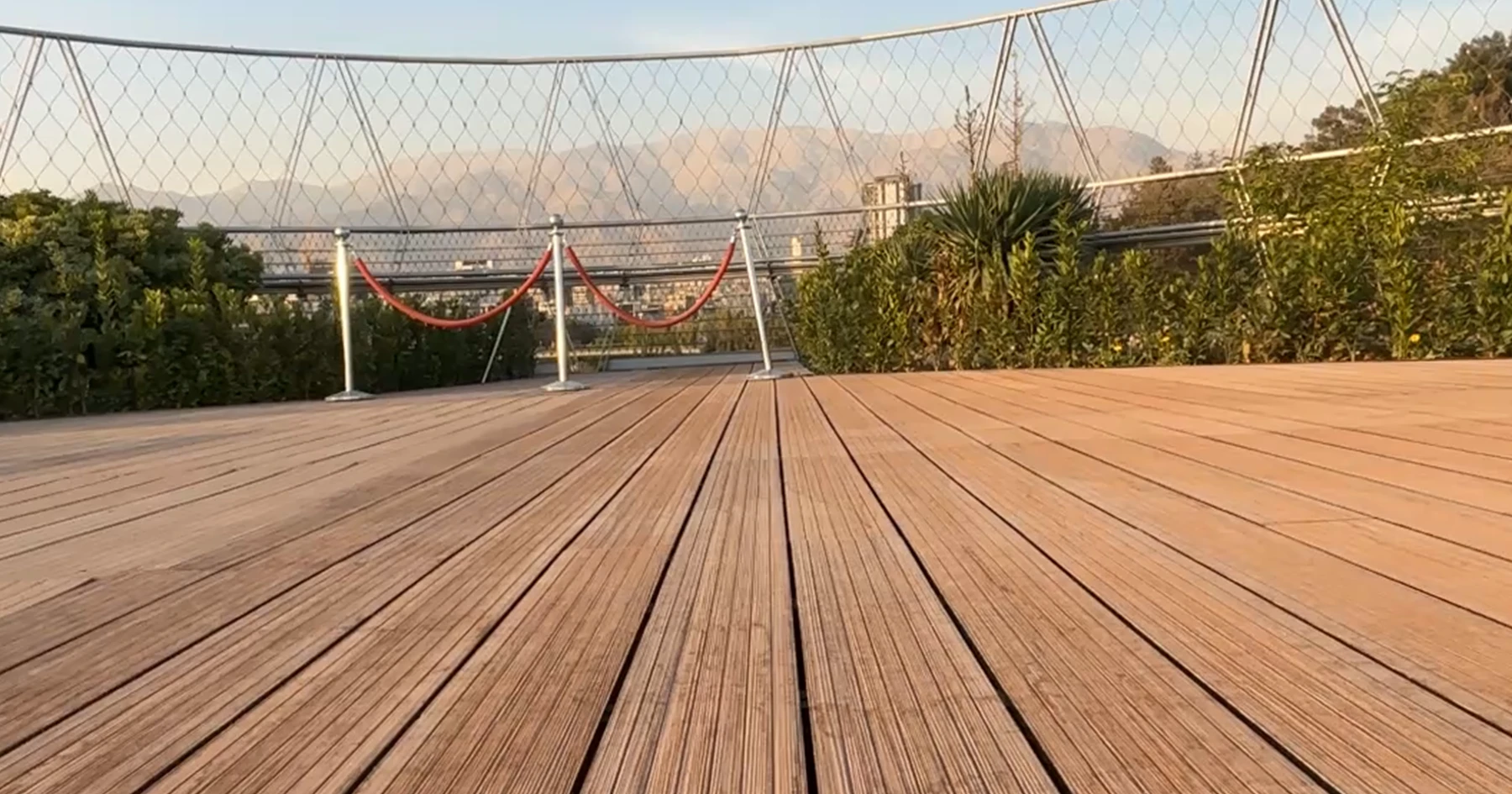
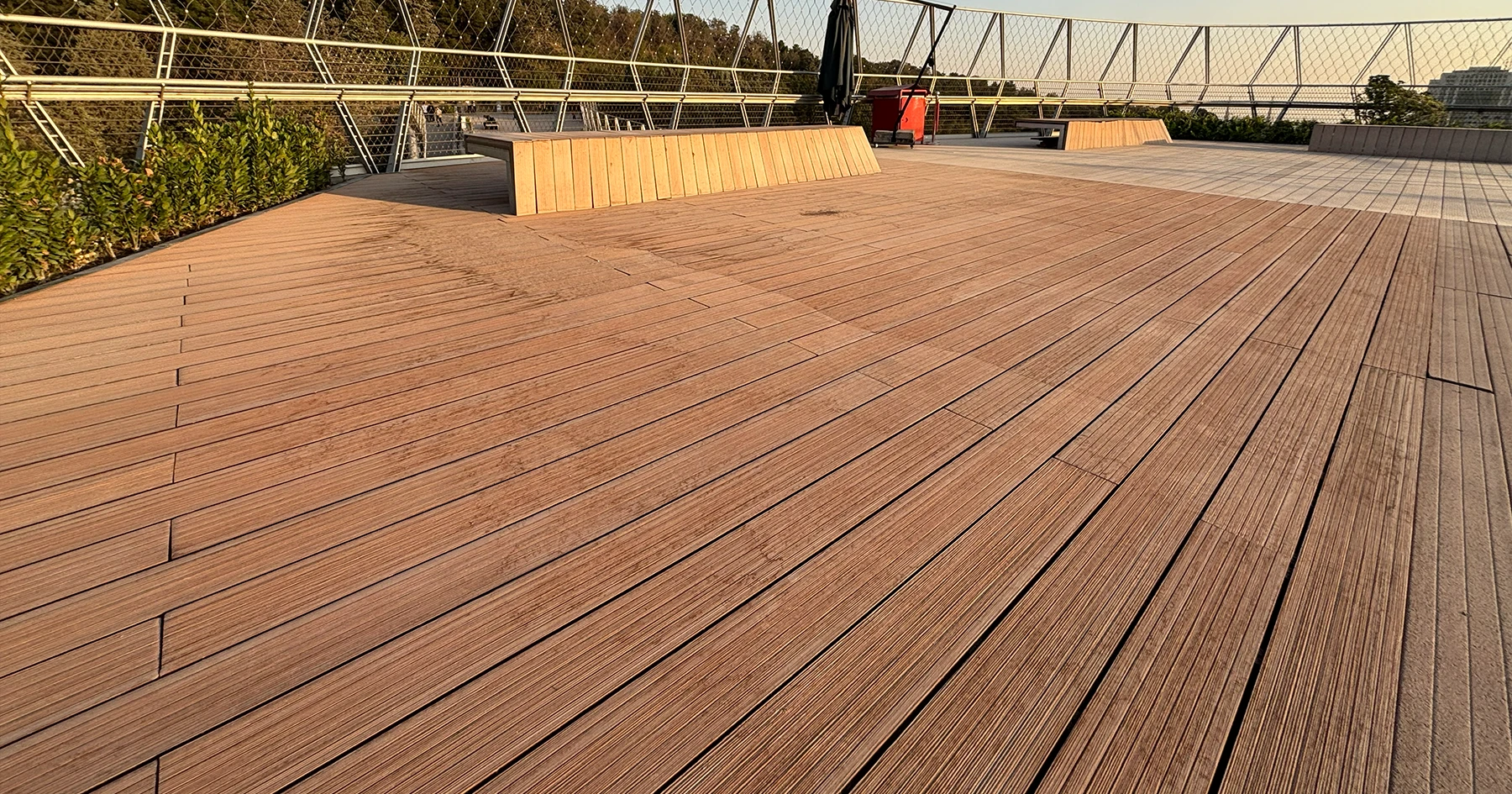
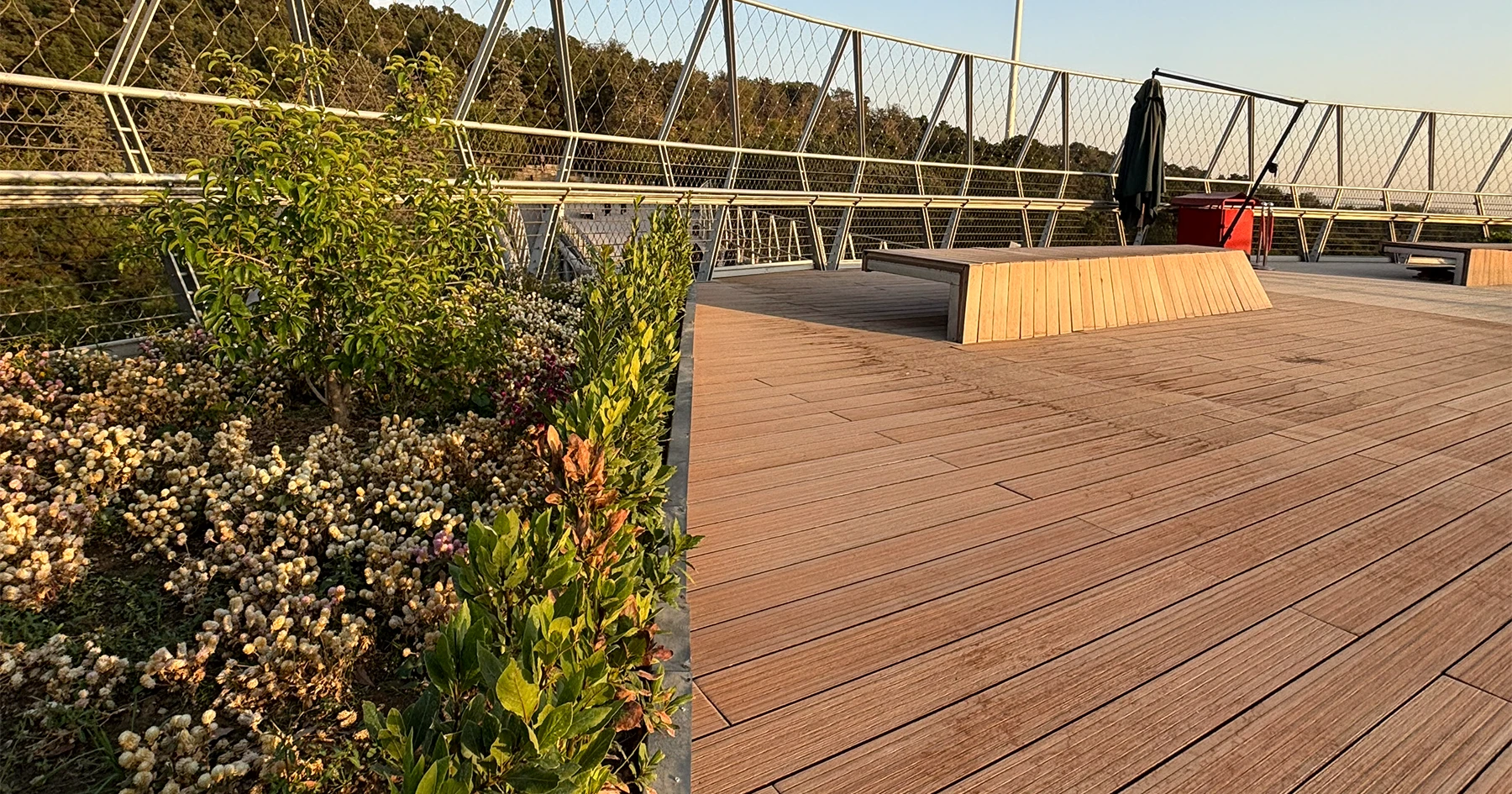
Wood-Plastic Decking for Tabiat Bridge

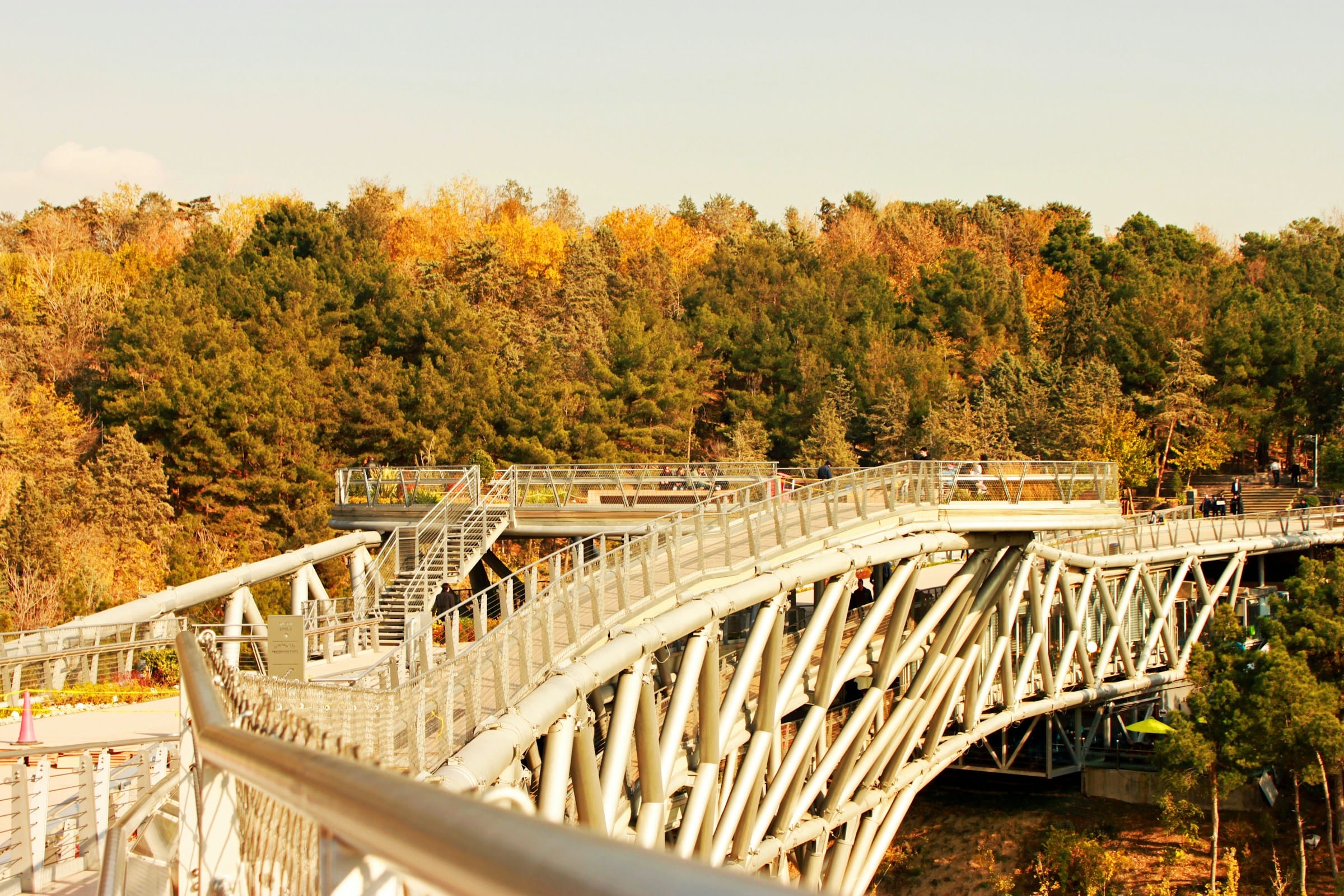
Tabiat Bridge is one of Tehran’s most iconic contemporary landmarks, welcoming thousands of visitors every day. In a high-traffic public space like this, flooring must deliver three things at the same time: a natural look, long-term durability, and reliable safety in changing weather conditions.

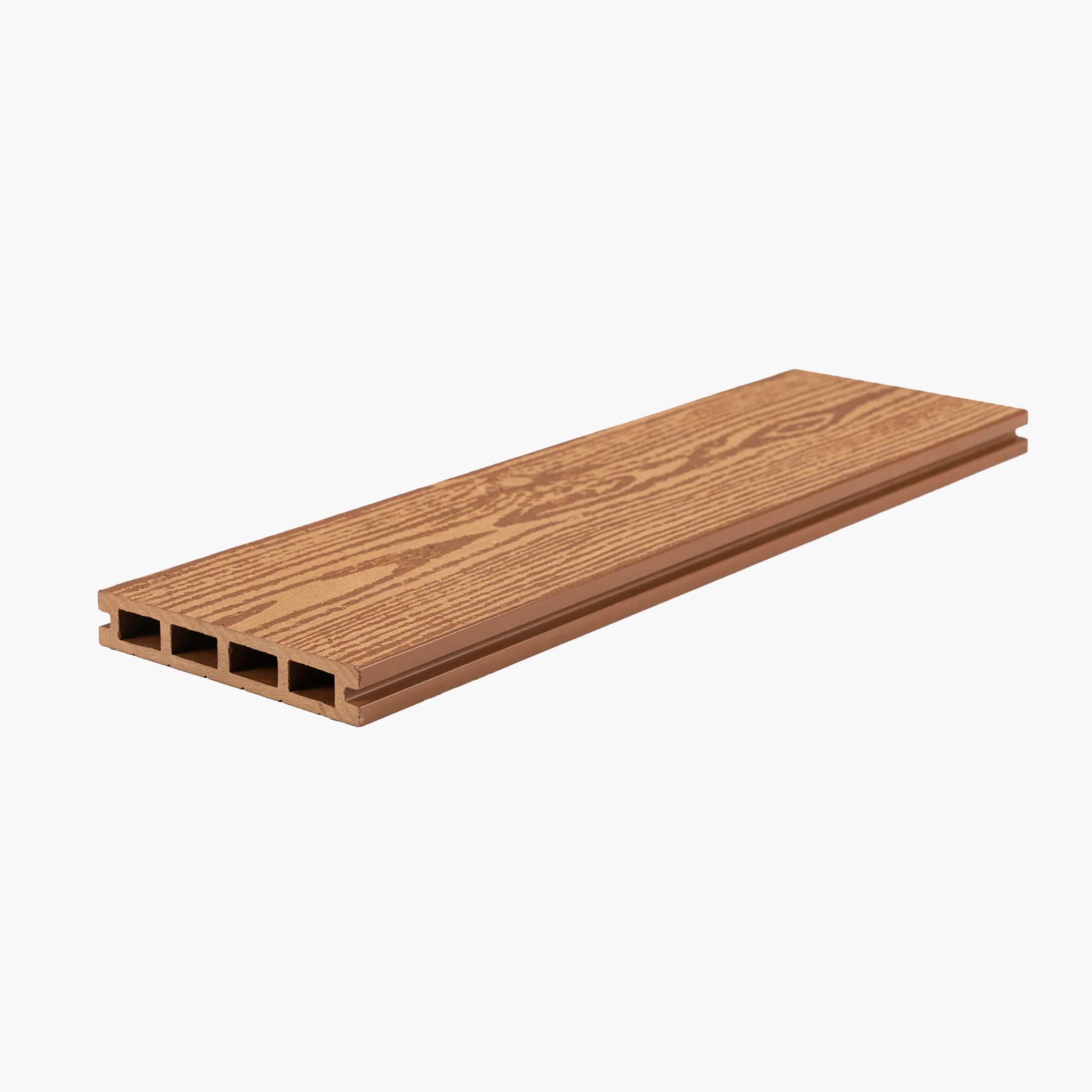
That’s why wood-plastic composite (WPC) decking is considered a smart solution for public walkways and urban landmarks. WPC combines the warm, wood-like appearance with strong resistance to moisture, sun exposure, and daily wear—making it ideal for outdoor decking where long service life matters.

Why WPC Decking Works for High-Traffic Urban Projects

For busy pedestrian areas, material performance is not optional—it’s the baseline. WPC decking is widely chosen for projects similar to Tabiat Bridge because it offers:

  • High wear resistance for continuous foot traffic
  • Dimensional stability against temperature changes (reduced warping over time)
  • Slip-resistant surface for safer walking, especially in rainy or damp conditions
  • Weather durability against UV exposure, rain, and seasonal shifts
  • Low maintenance compared to natural wood (no regular oiling required)
  • A clean, modern finish that fits architectural landmarks and green urban spaces

Execution Approach (Design to Installation)

In landmark-scale outdoor decking, proper detailing and installation are as important as the material itself. A professional execution typically includes:

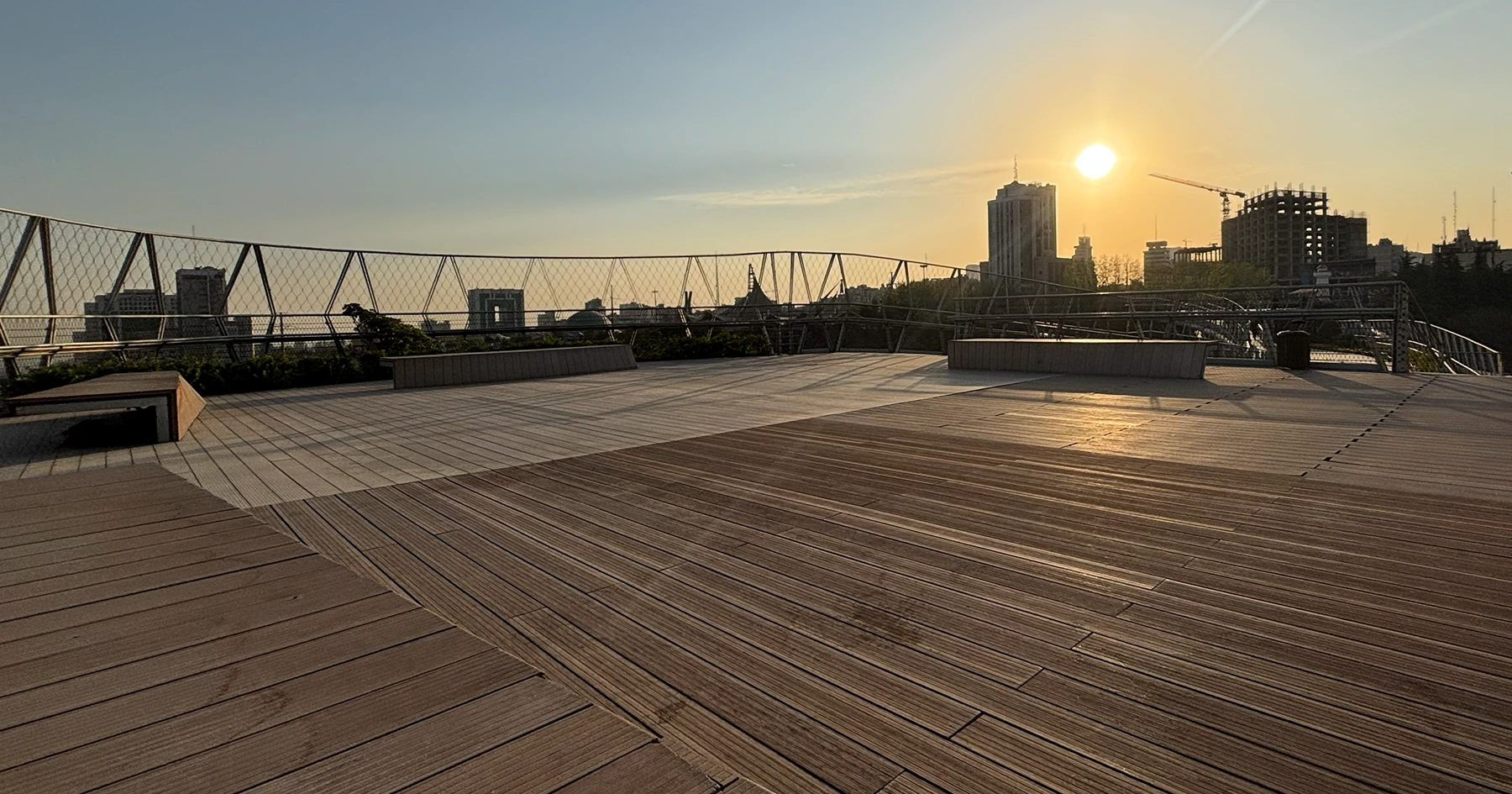
  • selecting the right decking profile for the expected load and traffic
  • planning expansion gaps and substructure alignment
  • using appropriate fasteners/clips for a cleaner finish
  • ensuring drainage and ventilation beneath the decking
  • applying installation standards that keep the surface stable and safe over time
Background image
Gallery image 1
Gallery image 2
Gallery image 3
Gallery image 4

Products Featured in This Project...